
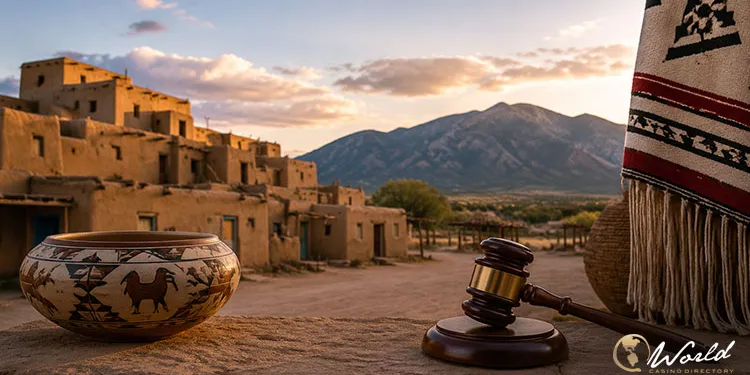
Four tribal nations in New Mexico have brought a federal case against Kalshi Inc., saying the company is effectively offering sports betting on tribal lands without tribal approval. The plaintiffs include the Mescalero Apache Tribe and the Pojoaque, Sandia, and Isleta Pueblos. They argue that Kalshi’s app bypasses both tribal oversight and existing gaming rules by making sports wagering available through a prediction-market format.
Tribes say the platform violates gaming law
The lawsuit was filed in federal court in Albuquerque on May 12. According to the tribes, Kalshi’s sports-related contracts amount to unlawful gambling and conflict with the Indian Gaming Regulatory Act (IGRA), which governs gaming on tribal lands. One of the tribes’ central arguments is that the platform allows participation by users aged 18 and older, while gambling on tribal lands in this context is limited to people at least 21 years old.
Tribal leaders say the issue is not only legal but also economic. Revenue from tribal gaming supports essential government functions and public services, including healthcare, education, and community programs. In their view, platforms that offer similar wagering outside tribal regulatory systems weaken those revenue streams and undermine tribal sovereignty.
Kalshi has taken the position that its offerings are not traditional sportsbook bets. The company says its products are prediction-market contracts regulated at the federal level by the U.S. Commodity Futures Trading Commission. Framed this way, Kalshi argues that the contracts are financial instruments rather than conventional gambling products.
The tribes reject that distinction. They contend that the service works like sports betting in practice and is being presented as a financial product to avoid the rules that apply to gaming on tribal lands and under state law.
Request for injunction and protection of tribal authority
The plaintiffs are asking the court to stop Kalshi from making its sports-betting-style products available on tribal lands. They also want the court to recognize that tribal governments retain the authority to regulate gaming activity within their territories under federal law and under negotiated gaming compacts.
From the tribes’ perspective, the case is part of a broader effort to defend long-established rights over gambling operations on tribal land. They argue that any system enabling sports wagering in those areas must comply with tribal rules, licensing structures, and compact obligations.
A wider national dispute is taking shape
This case is part of a larger conflict developing across the United States. Other tribes have filed similar lawsuits challenging Kalshi and related platforms that offer event-based contracts tied to sports outcomes. In Wisconsin, for example, the Ho-Chunk Nation pursued comparable claims. Although that court did not grant immediate emergency relief, the dispute remains active and has drawn wider legal attention.
The New Mexico lawsuit could therefore have consequences beyond one state. If courts are asked to decide whether sports prediction contracts are financial products, gambling products, or something in between, those rulings may shape how such platforms operate nationwide.
The legal stakes for tribal gaming and online wagering
At the center of the dispute is the relationship between two legal systems:
- federal commodities regulation, which Kalshi says governs its contracts, and
- tribal and gaming law, which the tribes say controls wagering activity on tribal lands.
The tribes rely heavily on the framework created by IGRA in 1988, which confirmed tribal authority over gaming operations on tribal land. They argue that this authority should also extend to newer digital forms of wagering, including online products that resemble sports betting even if they are labeled differently.
Kalshi, by contrast, maintains that its business is governed by federal commodities law and that this structure limits the reach of state and tribal restrictions. That tension is likely to be tested more directly as the litigation moves forward.
The outcome could influence several areas at once:
- how courts define prediction-market sports contracts,
- how far tribal gaming authority extends in online environments, and
- whether federal financial regulation can override tribal and state gambling controls.
As more tribes challenge these platforms, the resulting decisions may reshape the boundaries between legal sports betting, prediction markets, and tribal gaming sovereignty across the United States.